







Search Results for: blanket borrowing

A customer left a bad review because they couldn't borrow a blanket; why are operators increasingly choosing to ban children from their cafés?
A mother took her child to a shopping mall. After the child fell asleep, she went to a coffee shop to rest on the sofa. Because the temperature inside the shop was low, she asked the staff to borrow a blanket or a work uniform but was refused. She later left a negative review, which sparked heated discussion among netizens. Some people understood the difficulties parents face when out with their children, while others believed that borrowing a blanket went beyond the scope of a coffee shop's service. At the same time, many coffee shop owners complained about the troubles brought by customers with children, and more and more stores have made banning children a rule. This discussion about service boundaries and business realities reflects the dilemma coffee shops face between customer experience and daily operations. [more…]
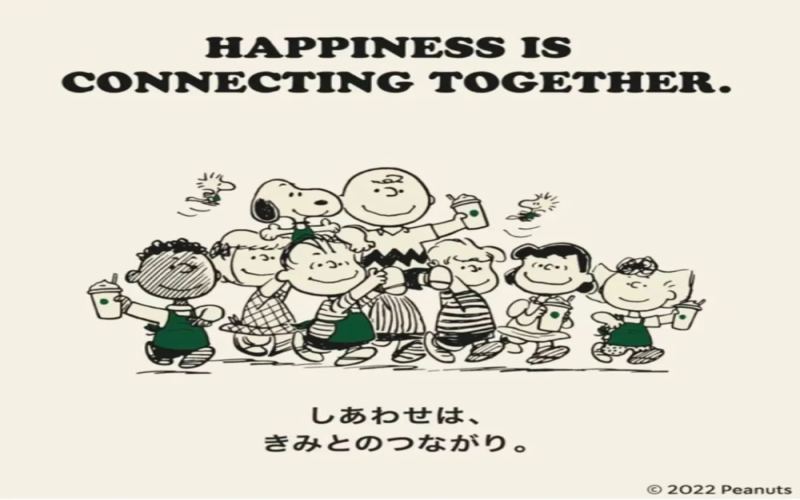
Starbucks Teams Up with Peanuts to Launch Snoopy Collaboration Series, 23 Items Spanning Practicality and Collectibility
Starbucks has launched a dream collaboration with the classic comic strip Peanuts, unveiling a Snoopy-themed merchandise collection in Japan under the theme "HAPPINESS IS CONNECTING TOGETHER." The collaboration features a total of 23 items, released in two waves on September 28 and October 5, spanning categories such as thermos bottles, tumblers, mugs, T-shirts, baseball caps, tote bags, blankets, and gift cards, with prices ranging from 2,550 to 4,900 yen. The most anticipated item is a Snoopy plush wearing a Starbucks apron, available in both keychain and figurine versions, which goes on sale only on October 5. This collaboration not only pays tribute to the timeless, multi-generational appeal of Peanuts but also echoes Starbucks' "third place" philosophy of happiness. [more…]
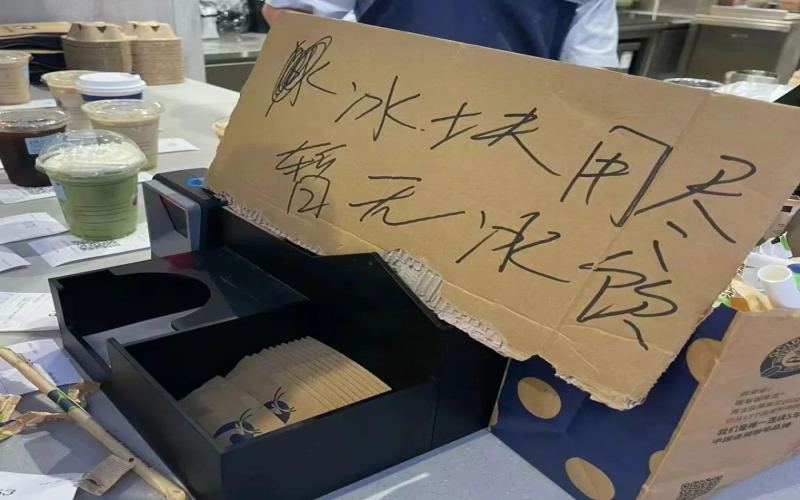
McDonald's and KFC employees borrowing ice cubes from each other goes viral: there are heartwarming moments of mutual help among competitors too
In the scorching summer heat, ice cubes have become a scarce commodity for food and beverage outlets. Once the ice machine can't keep up with the pace of serving, the store falls into an ice shortage. As a result, McDonald's and KFC, two seemingly incompatible rivals, have staged heartwarming scenes of employees borrowing ice from each other. From dragging small ice buckets to ask for help, to politely waiting with large metal buckets, these scenes have netizens calling them adorable, and even Laoxiangji couldn't resist joining the fun in the comments. In fact, when these chain brands cluster their stores together, the materials they borrow from each other daily go far beyond ice—behind it all is the simple yet genuine rapport and goodwill among workers. [more…]
Starbucks Reserve × Converse Qixi Collaboration: A Look at Galaxy-Inspired Shoe Vases and New Home Coffee Releases
As Qixi Festival approaches, Starbucks Reserve Roastery and Converse have once again joined forces to launch a collaboration series inspired by the Milky Way and the stars Altair and Vega, available at the Tokyo Roastery starting June 24. The most eye-catching item this season is a vase shaped like Converse's classic shoe, in a refreshing ice-blue colorway, alongside six other celestial-themed items including mugs, folding fans, and bags. Looking back at last year's Qixi Festival, the two brands created shoe-shaped vases and home goods themed around fireworks and misty blue. In addition, Starbucks' multiple collaborations with Hiroshi Fujiwara have focused on a minimalist home coffee experience for the post-pandemic era, launching textured items such as French presses and blankets. This article walks you through these collaboration highlights, with Front Street Coffee's communication channels listed at the end. [more…]

Kunming Coffee Shop Bathroom Borrowing Dispute: Pregnant Woman Uses Restroom Without Permission, Sparking Argument; Shop Publicly Releases Surveillance Footage in Response to Negative Review
Recently, a coffee shop in Kunming, Yunnan, became embroiled in an online controversy after refusing to let a pregnant woman use its restroom. The shop said the pregnant woman used the store's toilet twice without the staff's consent; when she was reminded the second time, an argument broke out between the two sides. The pregnant woman and a man accompanying her filmed a video and posted it online, and also left a negative review of the coffee shop on a third-party platform. The shop then publicly released surveillance footage to set the record straight, and the incident quickly sparked heated discussion among netizens. Some people understood the pregnant woman's inconvenience, but more believed that whether a business's restroom may be used should be decided by the shop, and that the pregnant woman going upstairs on her own posed safety risks. Behind this dispute is the dilemma coffee shops and other businesses face when passersby ask to "borrow the toilet." [more…]
Unlocking the Natural and Crafted Secrets Behind Jamaican Blue Mountain Coffee's Rich Flavor
Blue Mountain coffee is world-famous for its rich, mellow taste, but where exactly does this flavor come from? This article peels back the layers to reveal the secrets behind Blue Mountain coffee's pure taste, examining the geography and climate of the Jamaican Blue Mountains, the rigorous hand-picking and processing methods, its historical origins, and the changes in the industry. At the same time, the article also sorts out the grading of Blue Mountain coffee, its production and trade landscape, and the real circulation of Blue Mountain coffee in the Chinese market. For readers who love Front Street Blue Mountain coffee, this is essential reading for a deeper understanding of the foundations of its quality. [more…]
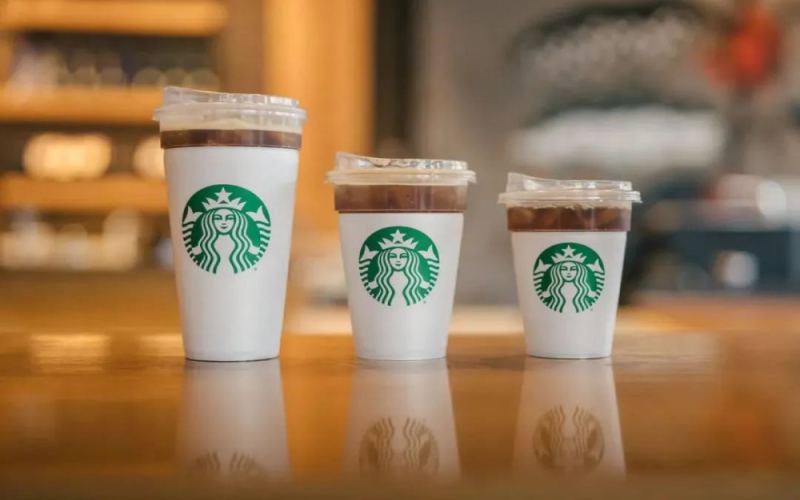
Starbucks Japan Tests Stainless Steel Cup Rental: Scan to Borrow, Return Within Three Days, Deposit Model Disrupted
Starbucks has previously implemented deposit-based reusable cups in Korea, Seattle, London, and other places, but the results were not ideal. Starbucks Japan was the first to change its approach, launching a stainless steel cup rental service at ten stores in Tokyo. Customers can scan a code via a mobile app to borrow a cup, return it within three days, and even enjoy a discount on their drink. After return, the cups are uniformly washed at high temperature and disinfected. The company emphasizes that there is no need to worry about residual viruses or bacteria. Can this model truly promote environmental protection, and can it be replicated in other regions? This article will provide a detailed interpretation for you. [more…]

Ethiopian Coffee Flavor and Bean Variety Grading Explained: A Comprehensive Analysis of Heirloom Varieties, Regional Landraces, and Numeric Varieties
As the birthplace of Arabica coffee, the forests of southwestern Ethiopia nurture countless coffee varieties, which gives the local coffee a unique flavor that is hard to replicate. Because the varieties are extremely diverse, it is difficult for the government to name them one by one, so they are mostly referred to collectively as "heirloom varieties." On this basis, regional varieties and numbered lines beginning with 74 and 75 have also emerged. The grading of Ethiopian coffee beans is based on the number of defective beans, with five grades from G1 to G5, among which G1 and G2 are the highest quality. This time, Front Street Coffee uses washed Yirgacheffe G2 as the representative everyday coffee of the Ethiopian region, presenting the classic flavor of intertwined citrus, white flowers, honey, and tea-like notes, and also includes pour-over suggestions and bean-resting instructions to help coffee lovers gain a more complete understanding of the charm of Ethiopian coffee. [more…]

Starbucks Japan introduces receipt password locks for restrooms, sparking debate among customers and netizens over convenience versus security.
Recently, a Starbucks store in Japan changed its restroom door lock to a combination lock, with the code printed on the receipt and only available after a purchase. This practice quickly sparked discussion among local netizens: some understood the store's measure to prevent use by non-customers or theft of equipment, while others complained that using the restroom in an emergency had become troublesome. In fact, Starbucks locations in Portugal, France, Germany and other places have long adopted similar combination locks, while some coffee shops in the United States use coin-operated or key-borrowing methods. Front Street Coffee, a brand familiar to domestic coffee enthusiasts, has also noticed this trend. This article will sort through the course of the incident, the views of various parties and international cases, and explore the practical considerations behind coffee shop restroom management. [more…]
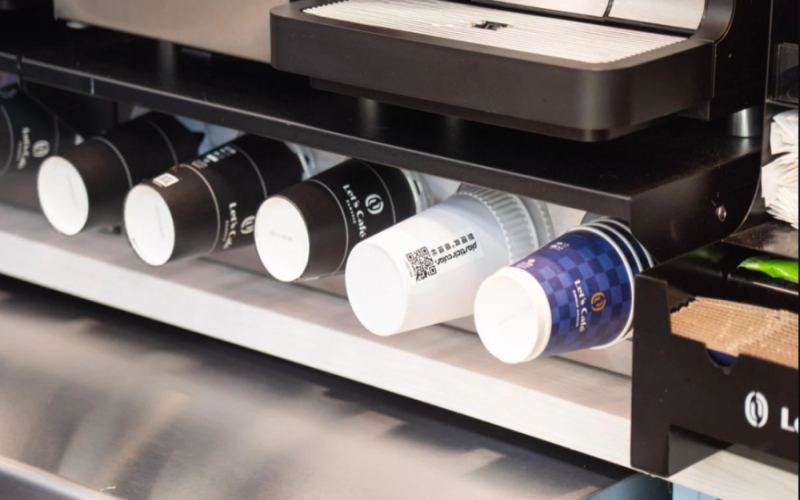
The Rise of Reusable Cup Waves: How Chain Brands from Starbucks to FamilyMart Are Driving New Coffee Plastic Reduction Practices
The normalization of coffee consumption and the prevalence of takeout culture have made disposable cups a pollution source that cannot be ignored. Environmental issues have long ceased to be a novelty in the coffee world—packaging innovation, coffee grounds reuse, paper straw replacements, as well as bring-your-own-cup discounts and in-store reusable cup pilots, are all being continuously explored. Recently, FamilyMart announced that it will massively roll out reusable cups to 400 stores in the Taiwan region, becoming East Asia's first convenience store chain to introduce reusable cups at scale. Previously, Starbucks launched a "borrowed cup" pilot in Seattle, and McDonald's also partnered with the Loop platform to test reusable cups. Can these initiatives truly change consumption habits and drive the industry to reduce plastic? This article will walk you through the practical paths of these pioneers and the real challenges they face. [more…]

Brewing Coffee the Matcha Way: An Analysis of Matcha's Origins, the Tea Whisking Culture, and Traditional Brewing Techniques
Matcha and coffee may seem to belong to two different worlds, but what kind of flavor collision would occur if we borrowed the brewing logic of matcha to make coffee? Before getting hands-on, Front Street Coffee will first take everyone back through the historical origins of matcha—it began with the whisked tea method of China's Song Dynasty, and after localized evolution, became part of Japanese tea ceremony culture, which emphasizes the spirit of "harmony, respect, purity, and tranquility." Traditional matcha brewing requires a small amount of matcha powder with 70°C~80°C warm water, first blended in a bowl with a tea whisk, then a measured amount of warm water is added and whisked to create foam, producing a thick, delicate layer of foam. This article unfolds around the origins of matcha, key brewing points, and the specific method for making matcha coffee, while preserving relevant images and recommendation information in appropriate places. [more…]
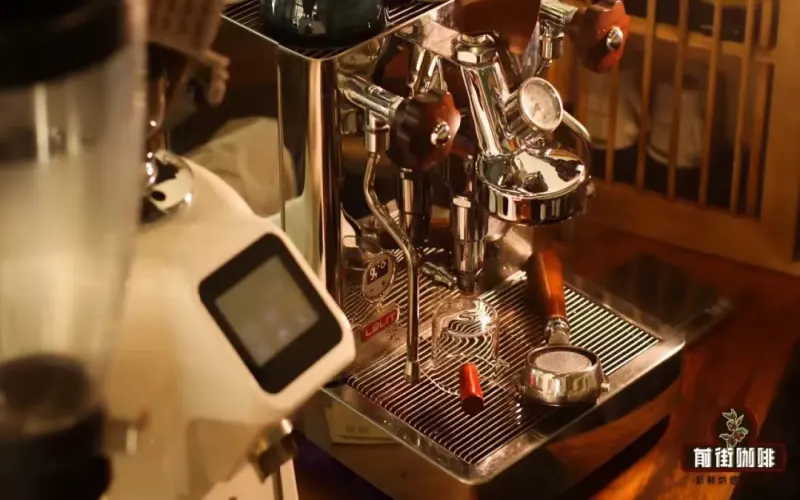
Can a French press make delicious iced coffee? A complete guide from bean selection to grind size
If you only have a French press and no pour-over gear, can you still make a satisfying iced coffee? The answer is yes. A French press uses immersion extraction, and with the same beans, the hot coffee it produces is often more balanced and fuller-bodied than pour-over. Borrowing from the Japanese-style iced pour-over approach, you can steep coffee in a smaller amount of hot water to get a concentrated coffee liquid, then pour it over ice to dilute and cool it, making iced coffee. However, diluting with ice lowers the concentration, so it's not advisable to use light-roast beans with pronounced acidity, or the result will taste thin and may develop off-flavors like almond or peanut skin. This article walks through the complete extraction plan using Front Street Strawberry Candy coffee beans, from bean selection to 15 grams of grounds, a 1:8 coffee-to-water ratio, 94°C water temperature, medium-coarse grinding, and the step-by-step process. [more…]
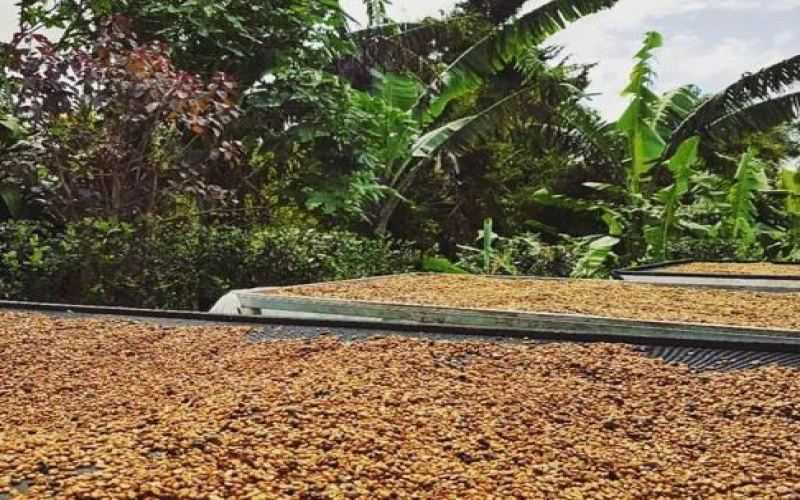
Tracing the Origins of Costa Rican Honey Processing: From Brazil Pulped Natural to Tarrazú La Labrador Estate Geisha Analysis
Costa Rican coffee is famous for honey processing, but honey processing does not mean adding honey—it is a method that retains the mucilage layer. Its predecessor was Brazil's pulped natural process, which Costa Rica borrowed, improved, and brought to prominence. This article systematically traces the development and flavor characteristics of Costa Rican honey processing, from the origins of honey processing, the invention of the mucilage remover, its promotion after the 2008 earthquake, and the subdivision into black, red, yellow, and white honey, to Front Street Coffee's introduction of the honey-processed Geisha from Finca San Isidro Labrador in the Tarrazú region, giving you an in-depth understanding of the ins and outs of this processing method. [more…]
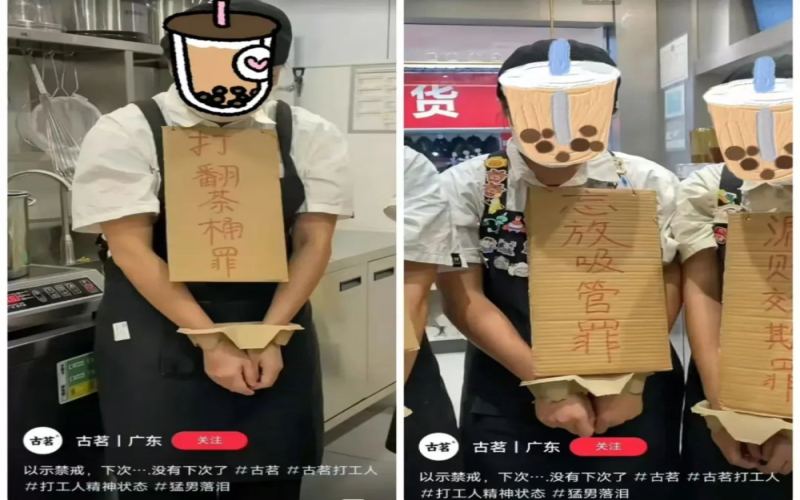
Guming employee's sign-making meme video sparks controversy, company apologizes and removes related content
During peak periods of exploding orders at tea beverage stores, staff inevitably make small mistakes such as forgetting to include straws, failing to affix expiration date labels, or knocking over tea containers, which are usually addressed with internal reminders or minor penalties. However, after employees at some Gu Ming stores filmed mocking videos featuring staff wearing placards around their necks, which were shared on social media, they sparked strong backlash from numerous netizens due to scenes involving employees having "crime" cardboard signs hung on their chests and their hands being cuffed with cup holders. The controversy centers on whether this form of imitation public shaming respects workers and whether it was appropriate for the official account to participate in posting it. Gu Ming subsequently responded that the video borrowed from a popular platform meme, has taken down the related content and apologized, and also distributed a thousand free drink vouchers. [more…]
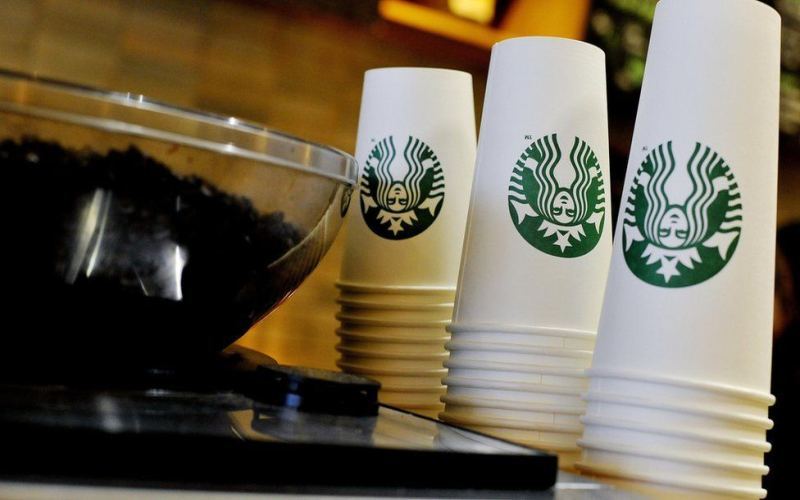
Starbucks and other coffee shops in the US face a disposable cup shortage, with costs soaring by 70%, and businesses resorting to all sorts of tricks.
Coffee has long been woven into Westerners' morning routines, and in America's fast-paced consumer culture, grabbing a cup of coffee to go is a habit for many. Recently, however, the U.S. coffee industry has run into an unexpected "cup crisis" — a severe shortage of disposable coffee cups. According to The Wall Street Journal, coffee chains such as Starbucks are facing alarmingly low cup inventories, with some consumers even calling multiple stores just to track down a venti-sized coffee. This crisis has not only driven up supply costs for coffee shops but has also given rise to peculiar workarounds, such as stores borrowing cups from one another and testing alternative lids. This article takes an in-depth look at the supply chain predicament and industry impact behind this "hard-to-get-a-cup" situation. [more…]
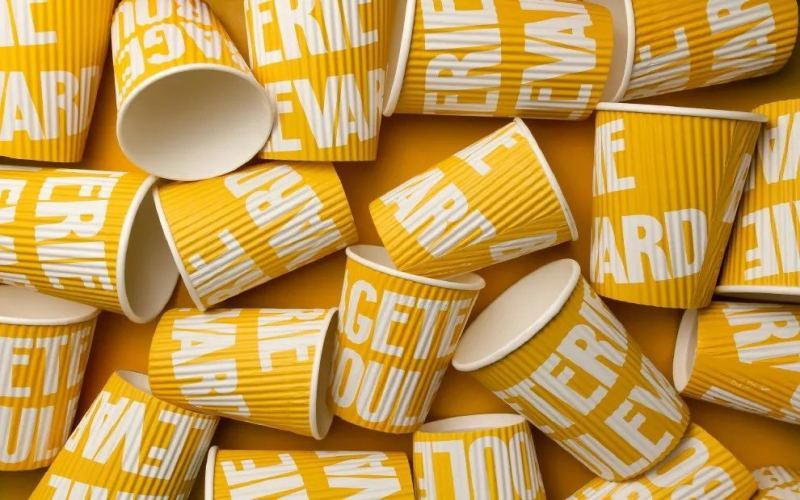
Edible Coffee Cups Make a Comeback: The Eco-Friendly Evolution from Ice Cream Cones to Oat Cups
The environmental problems of single-use paper cups are becoming increasingly severe, and the coffee industry has been searching for alternatives. From the failed attempt with cone cups in 2014, to the brief popularity of KFC's cookie cups, and then to the unexpected revival of oat cups during the pandemic, edible coffee cups have gone through three generations of technological iteration. This article will review the development history, technological breakthroughs, and market dilemmas of edible cups, and explore whether they can truly replace single-use cups and become a new environmentally friendly choice for coffee shops. [more…]
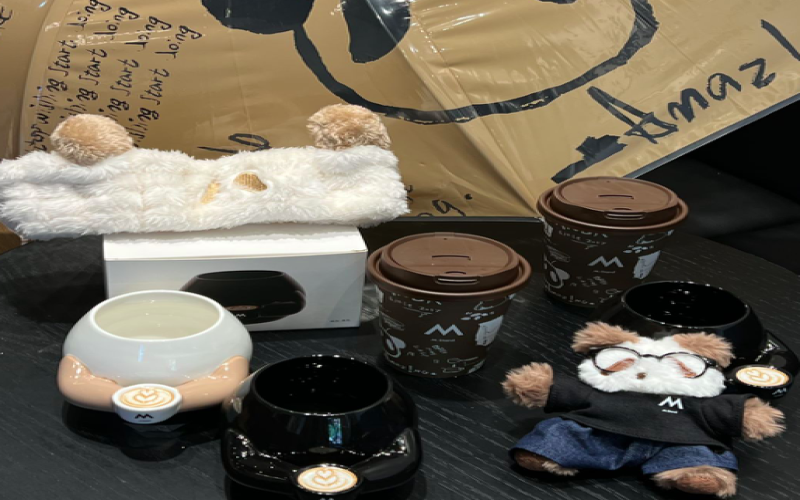
Mstand's panda collaboration cup gets mocked for its design flop, with netizens questioning whether the creativity was plagiarized.
Mstand has collaborated with streetwear brand AMAZING PANDA to launch a bamboo latte and panda-themed limited-edition merchandise, among which a "Panda Hug Cup" has sparked heated discussion due to its design. Many consumers said after receiving the actual product that it differs noticeably from the promotional images, with the all-black version described as looking like a "black-skinned muscular man," while the light-colored version was jokingly said to look like "feet holding up a cup." Besides the appearance controversy, practical complaints were also frequently mentioned, such as the arms on the cup being positioned too low and hard to grip, and the cup opening being too small, which is unfriendly to latte art beginners. At the same time, a cup enthusiast posted a handmade ceramic cup from another online shop, suspecting it was the inspiration source for Mstand's collaborative design, triggering discussion about "creative plagiarism." Fans, however, believe the details of the two cups are clearly different, and given that Mstand's previous "vegetable basket" woven bag also had precedent of borrowing from luxury brands, it can only be considered similar creativity. [more…]

Good Me's collaboration with Honkai: Star Rail triggers order explosion: slush machines smoke and break down, staff say they can't keep up
The collaboration between Gu Ming and the hit game "Honkai: Star Rail" ignited a consumer frenzy as soon as it launched, with over 1.2 million people queuing in the mini-program, and the topic quickly shot to the top of trending searches. Store orders poured in like snowflakes, and the limited-edition drinks were all fresh fruit smoothies with complex preparation processes. Under high-intensity operation, multiple smoothie machines were overwhelmed, emitting white smoke and even exploding on the spot, while staff were so busy they didn't even have time to drink water. To deal with equipment failures, some stores prepared backup machines in advance, while others had to borrow juicers from neighboring Shu Yi Shao Xian Cao and Luckin for emergency use. Behind this collaboration frenzy, issues such as excessively high thresholds for obtaining merchandise and enormous pressure on stores were exposed, also triggering discussions on optimization measures such as selling drinks and merchandise separately and cup storage services. [more…]

Starbucks introduces another eco-friendly initiative: deposit cups paired with dedicated washing machines, allowing customers to wash and take them away themselves.
Starbucks has been exploring ways to reduce single-use cup usage in recent years, from deposit cups in the South Korean market to cup borrowing programs in Europe and the US, but none have achieved the expected results. Now Starbucks has launched Plan C—introducing dedicated cup-washing machines in stores, where customers can wash their cups themselves after finishing their coffee and take them away, though a deposit is still required. The program will first be tested at Arizona State University and select stores in Hawaii. Meanwhile, Starbucks mainland China has fully switched to paper straws and sippy lids, reducing approximately 200 tons of plastic annually. Whether the environmental path can meet its 2025 targets remains to be seen. [more…]
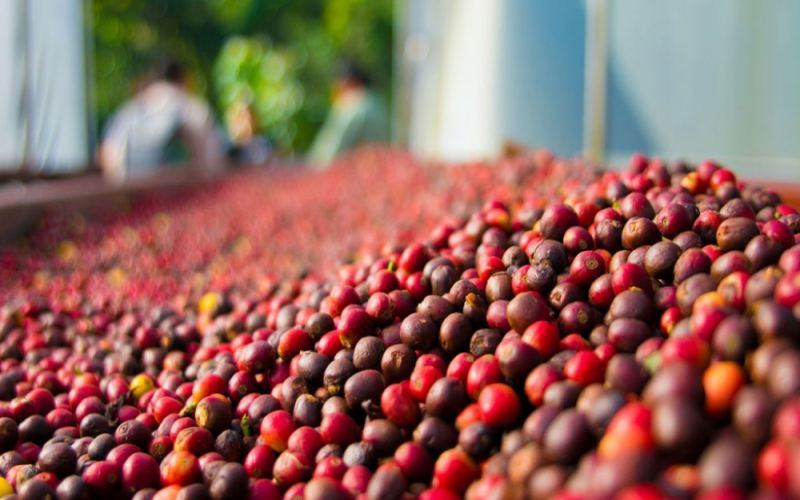
Panama Hartmann Estate Wine Process Coffee: Fermentation Craft Analysis, Catuai Variety, and Brewing Flavor
Is red wine processed coffee made by soaking the beans in red wine? Does it contain alcohol? These are common questions among many coffee lovers. In fact, this processing method borrows the fermentation logic of wine-making, rather than directly soaking coffee beans in red wine. In this article, Front Street Coffee takes you deep into the red wine processed Catuai coffee beans from Hartmann Estate in the Volcan region of Panama: from the estate's background and the variety's origins, to the specific controlled fermentation process and flavor performance. We also share Front Street's roasting curve, cupping results, and V60 staged pouring parameters to help you understand what makes this bean so unique. [more…]